
"Companies want to advance electromobility and not think about payment processes. Our task is to handle precisely this complexity in the background."
Marie-Luis Rönisch, Channel Manager at secupay AG

"Companies want to advance electromobility and not think about payment processes. Our task is to handle precisely this complexity in the background."
Marie-Luis Rönisch, Channel Manager at secupay AG
We explain how you, as a platform, can quickly and legally tap into the growing market for electronic securities in collaboration with strong partners for payment and regulatory compliance.
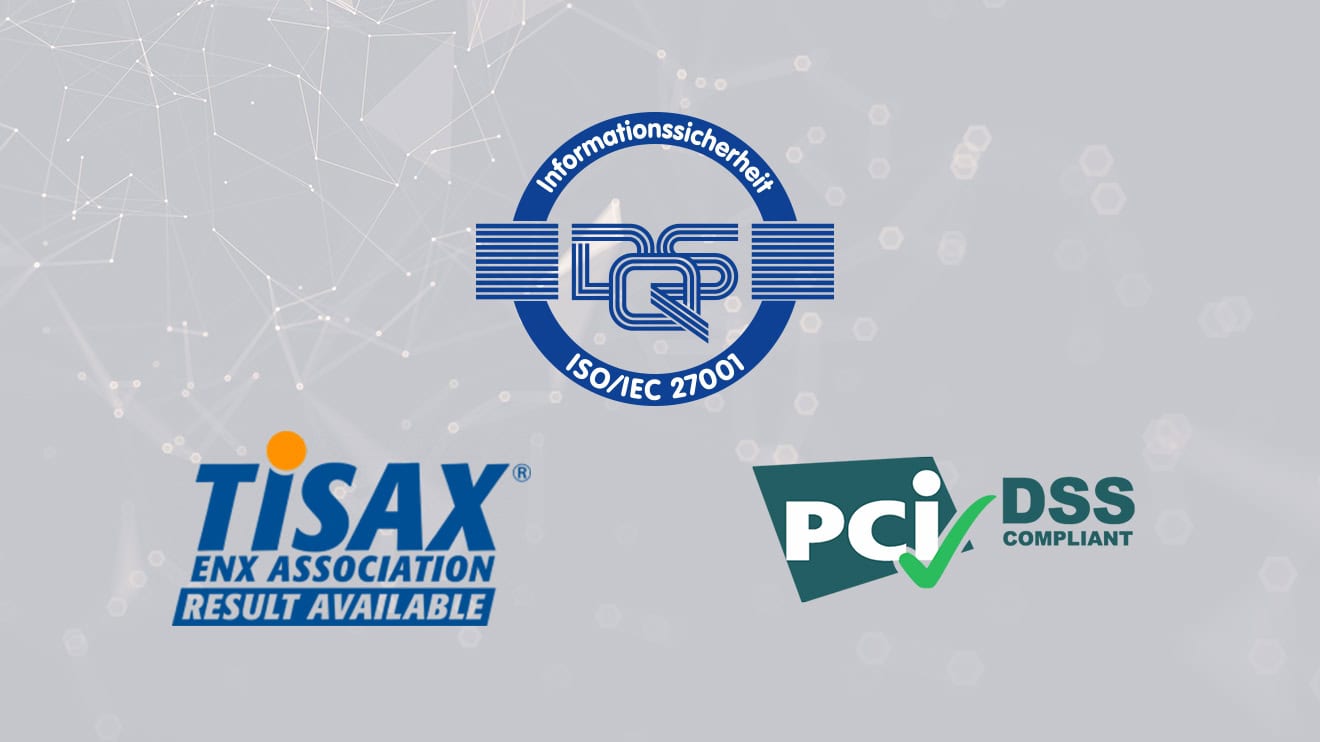
secupay is certified according to PCI DSS, ISO 27001 and TISAX and thus fulfills maximum security standards in payment processing for customers and partners.
How to benefit from the ECSP Regulation as a crowdfunding platform for cross-border crowdfunding projects.
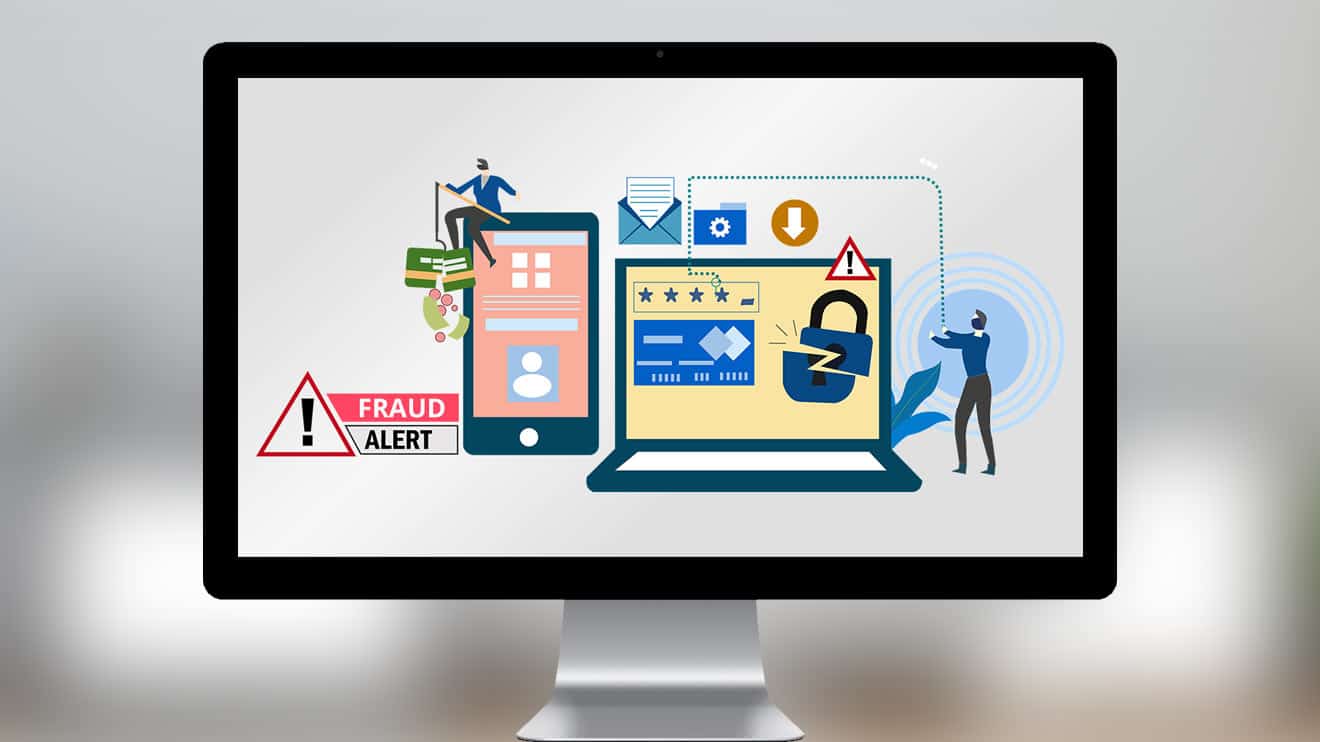
Due to current events, we would like to draw your attention to a new scam that has been identified in connection with online shopping for high-priced goods.
